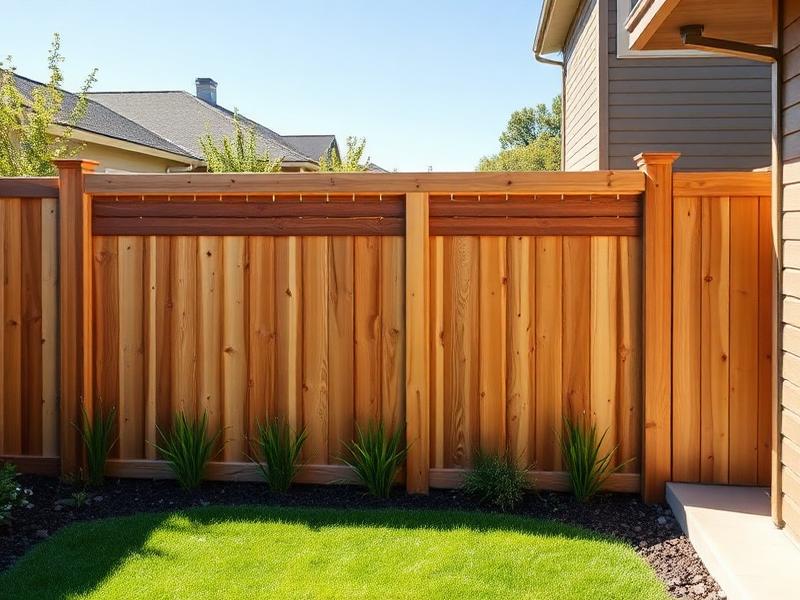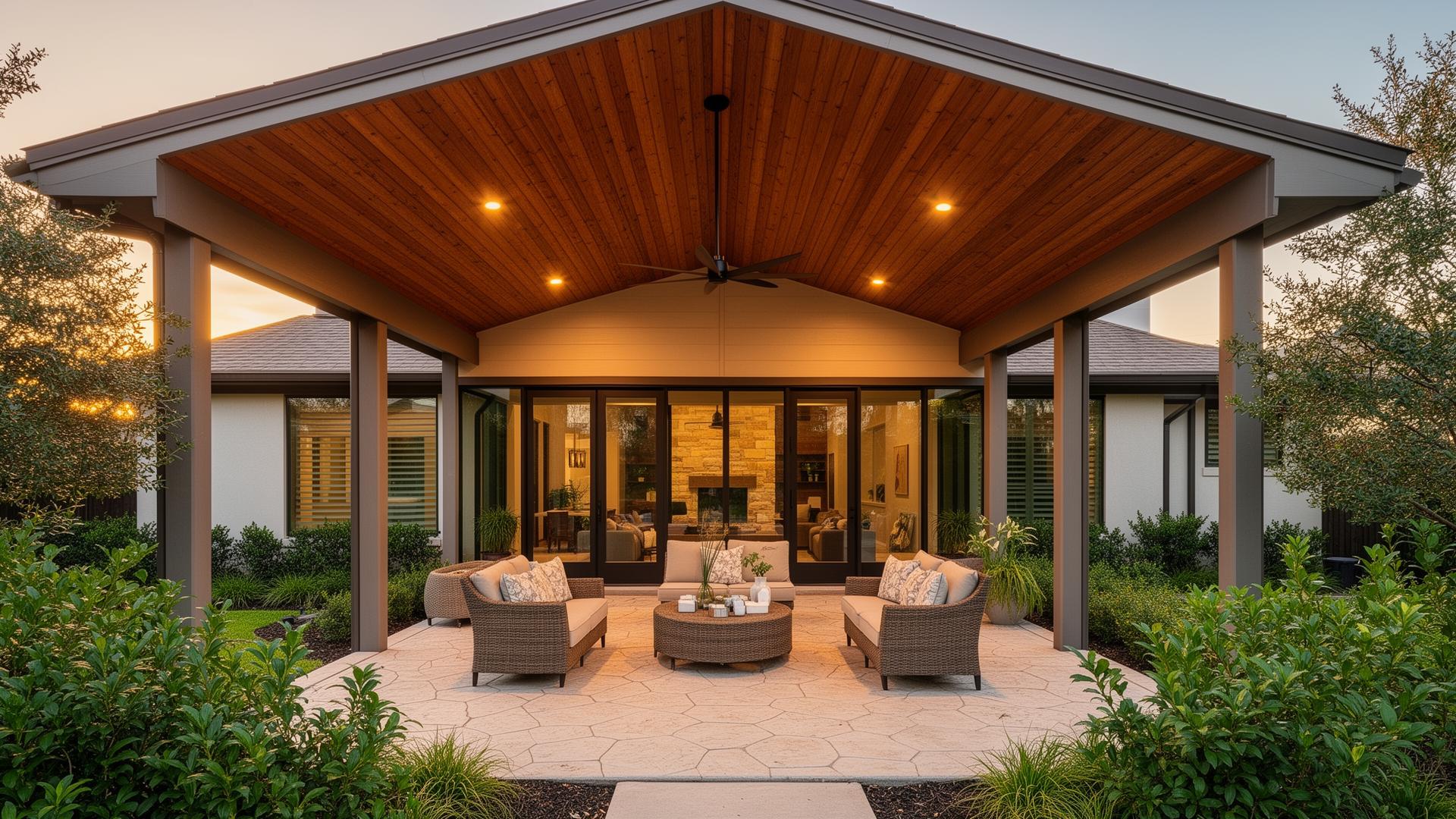
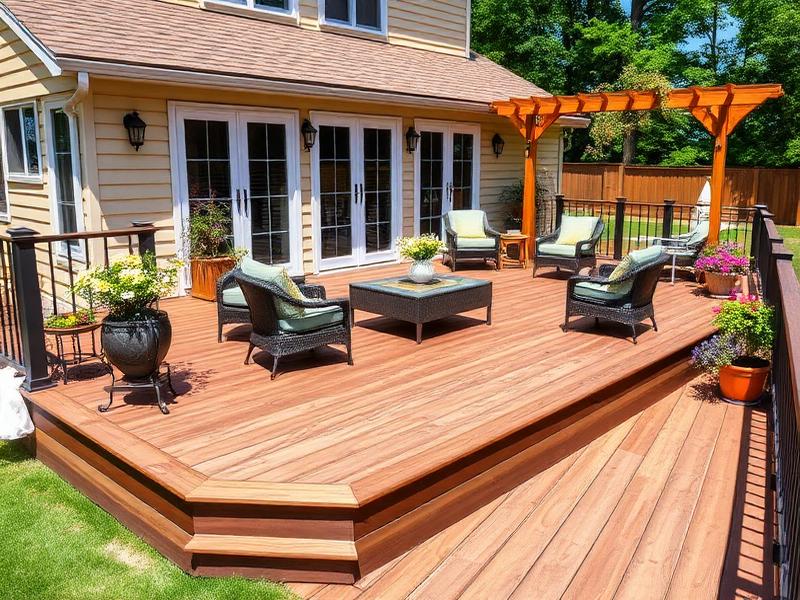
Between intense summer heat, heavy seasonal rain, and the risk of tropical storms, outdoor structures in the Houston area take a beating most of the year. A simple, season-by-season maintenance routine goes a long way toward protecting your investment in a patio, deck, or fence.
Late Winter / Early Spring (February-March)
This is the best window to catch up on any maintenance that got put off, since temperatures are milder and it's before the heavy spring rains typically ramp up. Walk your fence line and check for posts that have shifted or leaned over winter, and look at deck boards for any cupping, splintering, or soft spots that developed during colder, wetter months.
It's also a smart time to reseal or restain a wood deck or fence if it's due, since you'll get a dry stretch to let the finish cure properly before summer humidity sets in. Clean and inspect any metal hardware on a pergola or pavilion for rust starting to form.
- Inspect fence posts for leaning or rot at the base
- Check deck boards for cupping or soft spots
- Reseal/restain wood surfaces if due
- Check pergola or pavilion hardware for rust
Spring Into Early Summer (April-May)
As pollen season winds down, give patios, decks, and fences a good cleaning to remove the yellow film that builds up on horizontal surfaces this time of year. A simple wash with mild soap and water works for composite decking and most fence materials; wood surfaces may need a gentler wood-safe cleaner to avoid damaging the grain.
This is also the time to check drainage around your patio slab or deck footings. Spring rains reveal any pooling or runoff issues before the heavier summer storms arrive, and catching a drainage problem now is far easier than dealing with erosion or a settling slab later.
Peak Summer Heat (June-August)
Summer is less about active maintenance and more about monitoring, since the heat itself does a lot of the stress-testing. Watch for wood that's drying out and cracking under sustained sun exposure, and keep an eye on composite decking in full-sun areas for any warping near edges, which can occasionally happen in extreme heat if boards weren't installed with proper gaps.
This is also hurricane season, officially running June through November, so mid-summer is a good checkpoint to make sure your outdoor furniture, planters, and anything loose near your patio or pergola has a plan for securing or storing before a storm watch is issued.
Hurricane Season Prep (Ongoing June-November)
Before a storm is even forecast, walk your fence line and patio structure looking for anything that's already loose: a wobbly post, a loose railing, or hardware that's started to back out. These small issues become much bigger problems in high wind. Trim back any tree limbs that overhang your covered patio, pergola, or pavilion roof, since falling limbs are one of the most common causes of storm damage to these structures.
When a storm watch or warning is issued, bring in or secure anything that can become a projectile, including furniture cushions, planters, and decorative items. A well-built structure should handle typical Gulf Coast storms, but no structure is designed to withstand flying debris impact, so reducing loose items in the yard protects both your structure and your neighbors' property.
- Inspect fence posts, gates, and hardware before storm season peaks
- Trim overhanging limbs near roofed structures
- Secure or store loose furniture and planters ahead of storm watches
- After a storm, inspect for hidden damage before heavy use resumes
Fall (September-November)
Fall is prime time for a deeper inspection now that peak heat has passed. Check fence gates for sagging, since summer heat can cause slight shifts in framing that show up as a gate that no longer latches smoothly. Look over deck fasteners and any metal connectors on a pergola or pavilion for corrosion that built up over the humid summer months.
If you've been putting off a stain refresh because of the heat, fall's milder temperatures are a better time for the wood to properly absorb and cure a new coat of sealer or stain.
Winter (December-January)
Houston winters are mild compared to most of the country, but the occasional freeze can still affect outdoor structures, particularly by causing minor ground shifts that stress fence posts or deck footings. After any hard freeze, do a quick walk-through checking for new gaps, leans, or cracks.
Winter's slower outdoor season is also a good time to plan any repairs or upgrades for spring, so you're not competing with everyone else's spring project list once the weather warms back up.
A Simple Year-Round Habit
You don't need a complicated system, just a quarterly walk-through of your fence, deck, and any covered structure, paying attention to hardware, drainage, and finish condition. Catching small issues early is almost always cheaper and easier than waiting for a small problem to become a structural one.
Common Questions
Maintenance FAQs
How often should I reseal a wood deck or fence in Houston?
Most wood surfaces in our climate benefit from resealing or restaining every one to two years, depending on sun exposure. South- and west-facing sections often need it more frequently than shaded areas.
Should I take down a pergola or patio cover before a hurricane?
A well-built structure is designed to stay in place through typical storms; the bigger risk is loose items like furniture, cushions, and planters becoming projectiles. Focus prep on securing loose items and trimming nearby tree limbs.
What's the biggest maintenance mistake homeowners make here?
Ignoring small hardware issues, like a slightly loose post or fastener, until they become bigger structural problems. A quick seasonal check catches most of these early.
Can you inspect an existing structure for storm or wear damage?
Yes, we regularly inspect existing patios, decks, pergolas, and fences for homeowners who want a professional opinion before or after storm season. Call (713) 575-7395 to schedule a look.
Want a real number for your backyard?
We walk the property, measure, and hand you a written proposal with the scope spelled out.
Get a Free Estimate