Homeowners often ask how long a new fence should last before it needs major repair or replacement. The honest answer depends heavily on material, construction quality, and how much maintenance the fence gets, and our Gulf Coast climate is tougher on fencing than most parts of the country.
Typical Lifespan by Material
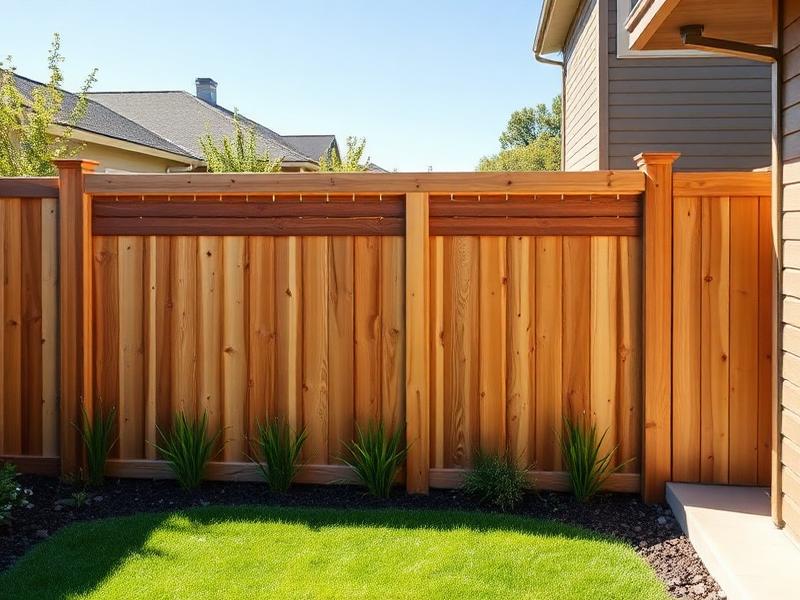
A well-built cedar privacy fence in our region typically lasts a decade or more with reasonable maintenance, though individual boards on the sunniest sections often need replacement sooner than that. Pressure-treated pine fences tend to have a somewhat shorter lifespan than cedar since the wood is generally less naturally rot-resistant, even with treatment.
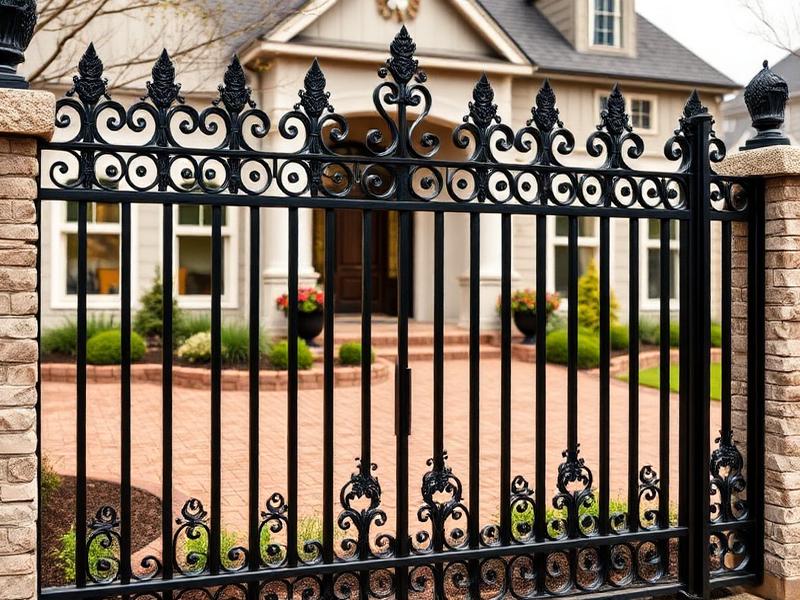
Wrought iron fencing, when properly coated and maintained, can last considerably longer than wood since it isn't vulnerable to rot or termites — its main enemy is rust, which is manageable with periodic touch-up. Steel-post wood fences tend to outlast wood-post wood fences because the posts, which are the most failure-prone component, resist the soil movement and moisture that cause wood posts to fail first.
What Shortens Fence Life the Most
The single biggest factor we see shorten fence lifespan in this area is standing water at the base of posts. Yards that don't drain well, or fence lines built along a low point in the property, put wood posts in prolonged contact with moisture, which accelerates rot dramatically compared to well-drained sections of the same fence.
UV exposure from our long, intense summers is the second major factor. South and west-facing fence sections that get hours of direct afternoon sun will gray, dry out, and become brittle faster than shaded sections, which is why you'll often see uneven wear across a single fence line.
- Standing water at post bases accelerates wood rot significantly
- Unsealed wood grays and becomes brittle faster under intense summer sun
- Storm winds stress posts and hardware over repeated events across hurricane seasons
- Ground-contact boards wick moisture even when the rest of the fence is dry
Maintenance Steps That Actually Extend Lifespan
Sealing or staining a wood fence every 2-3 years is the most impactful thing a homeowner can do. A quality water-repellent sealant blocks moisture absorption and slows UV degradation, and it's a manageable weekend project for most homeowners or an affordable service if you'd rather hire it out.
Checking and tightening hardware, especially gate hinges and latches, after major storms helps catch small issues before they become structural. It's also worth walking your fence line after heavy rain to check for standing water pooling against posts, and if you find a recurring wet spot, addressing the grading or adding gravel at that post can prevent early rot.
When Repair Makes Sense vs. Replacement
If the posts are still solid and only individual pickets are damaged or graying, replacing boards is usually the more economical route and can extend the fence's useful life by several more years. Spot repairs on an otherwise sound fence are common and reasonable.
Once posts start leaning, especially multiple posts along a section, it's usually a sign the whole section needs to be rebuilt rather than patched, since a compromised post will keep shifting and pulling the attached pickets and rails out of alignment even after a repair.
Planning Ahead for Storm Season
Before hurricane season each year, it's worth inspecting your fence for loose pickets, rusted hardware, or leaning posts, since these are the weak points most likely to fail in high wind. Catching and fixing them ahead of time is far cheaper than a post-storm rebuild.
If you're due for a fence replacement anyway, timing the project outside of peak storm season (roughly June through November) can also help avoid scheduling delays with contractors, since demand for repairs tends to spike right after major storms.
Common Questions
Fences FAQs
How often should I seal my wood fence in the Houston area?
Most cedar and pine fences in our climate benefit from resealing every 2-3 years to protect against UV damage and moisture, though sun-exposed sections may need it more often.
Why do some sections of my fence age faster than others?
Sections with more direct afternoon sun exposure or poor drainage at the post base tend to deteriorate faster than shaded, well-drained sections of the same fence.
Should I repair or replace a leaning fence section?
If multiple posts are leaning, it usually indicates a foundation issue that repair alone won't fix, and rebuilding that section is typically the more lasting solution.
Does hurricane season affect fence lifespan?
Yes, repeated wind stress across storm seasons can loosen hardware and stress posts over time, which is why a pre-season inspection is worth doing every year.
Want a real number for your backyard?
We walk the property, measure, and hand you a written proposal with the scope spelled out.
Get a Free Estimate