Iron and wood fencing solve different problems, and mixing the two up in planning is a common mistake. Wood is the default choice for privacy, while iron shows up more often on front yards, pool enclosures, and HOA-visible boundaries where the look matters as much as the function.
Privacy vs. Visibility
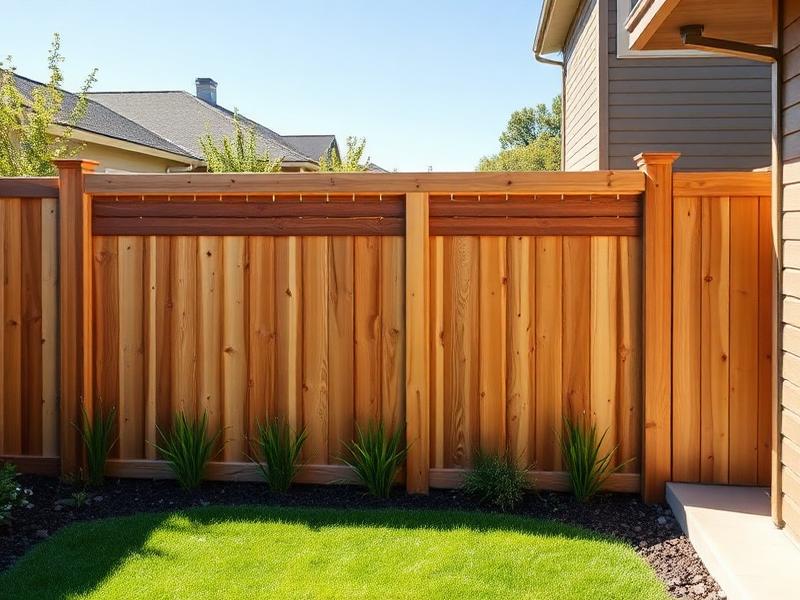
This is the most fundamental difference between the two. A wood privacy fence with tightly fitted pickets blocks sightlines completely, which is what most homeowners want for a backyard where they're entertaining, letting pets out, or just want separation from neighbors. Wrought iron is open by design, so it defines a boundary without blocking the view.
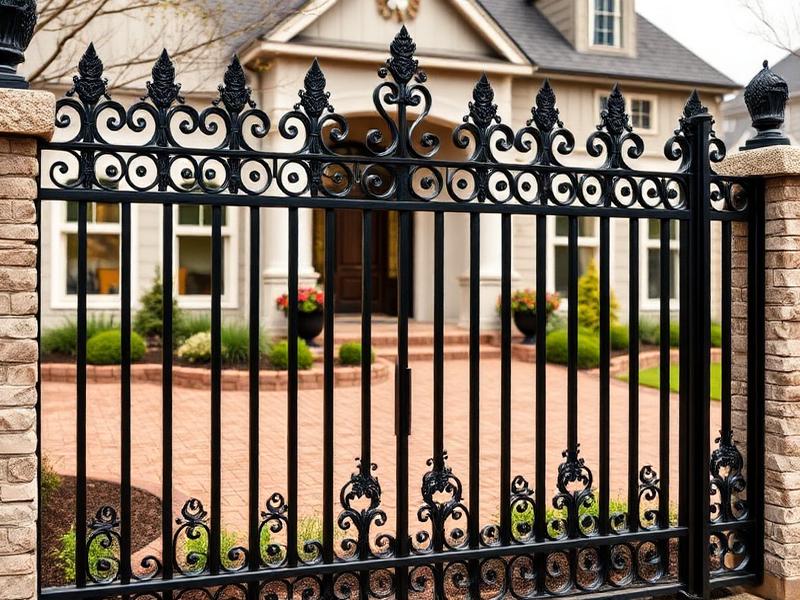
That makes iron a common choice for front yards where full privacy isn't the goal but a defined, attractive boundary is, and for pool areas where code often requires a fence but homeowners still want to see the yard beyond it.
Maintenance Realities in Our Climate
Wood fencing in the Houston area needs periodic attention — sealing or staining every couple of years helps it resist UV fading and humidity-driven warping. Skip that maintenance and you'll see graying, cupping boards, and shortened lifespan, especially on fence sections that get direct afternoon sun.
Wrought iron requires different upkeep. It won't warp or rot, but it can rust if the powder coat or paint gets scratched or chipped, which happens over time from lawn equipment, gate use, or storm debris. Periodic touch-up painting keeps rust from spreading, particularly in humid or coastal areas like Galveston or Seabrook.
Cost Comparison
Wood fencing is generally the more budget-friendly option per linear foot, especially for larger yards where you need to enclose a lot of footage. Iron fencing tends to cost more per linear foot due to material and fabrication costs, which is one reason it's used more selectively — often for front yards or accent sections rather than enclosing an entire property.
Combining materials is common and often smart: iron along the street-facing front yard for curb appeal, with wood privacy fencing enclosing the backyard where you want full seclusion.
HOA and Neighborhood Considerations
Many HOAs across Pearland, Sugar Land, and Friendswood have specific rules about front-yard fencing, and iron is frequently the preferred or even required style for street-facing sections because it maintains sightlines and a more open neighborhood feel. Wood is more commonly restricted to backyards in these communities.
Before deciding on a material, it's worth pulling your HOA's design guidelines, since some communities specify exact iron fence styles, heights, or paint colors, and getting pre-approval avoids a costly redo.
Durability in Storm Season
Because wrought iron is open rather than solid, it catches far less wind than a solid wood privacy fence, which means it's less likely to be damaged or blown over during Gulf Coast storms. This is part of why some homeowners in more exposed areas prefer iron for sections that see the most wind exposure.
Wood fences can still perform well in storms when built with adequate post depth and picket spacing, but if storm resilience is a top priority for an exposed section of your property, iron is worth considering even at a higher cost.
Common Questions
Fences FAQs
Which is more expensive, wrought iron or wood fencing?
Wrought iron typically costs more per linear foot than wood due to material and fabrication. Many homeowners use iron selectively for front yards and wood for larger privacy sections to balance cost.
Does my HOA require iron fencing in the front yard?
Some HOAs in the Houston area do require or prefer iron for street-facing fence sections. Check your specific community's design guidelines before choosing a material.
Which holds up better in hurricane season?
Wrought iron generally catches less wind than solid wood fencing since it's open rather than solid, which can make it more storm-resistant on exposed lots.
Can I combine wood and iron on the same property?
Yes, this is a common approach — iron for street-facing curb appeal and wood for backyard privacy, giving you the benefits of both.
Want a real number for your backyard?
We walk the property, measure, and hand you a written proposal with the scope spelled out.
Get a Free Estimate