Every homeowner we sit down with in Pearland, Friendswood, or League City asks the same question: composite or wood? There's no single right answer, but there is a right answer for your budget, your yard, and how much time you want to spend maintaining a deck in this climate.
How Each Material Handles Houston Heat and Humidity
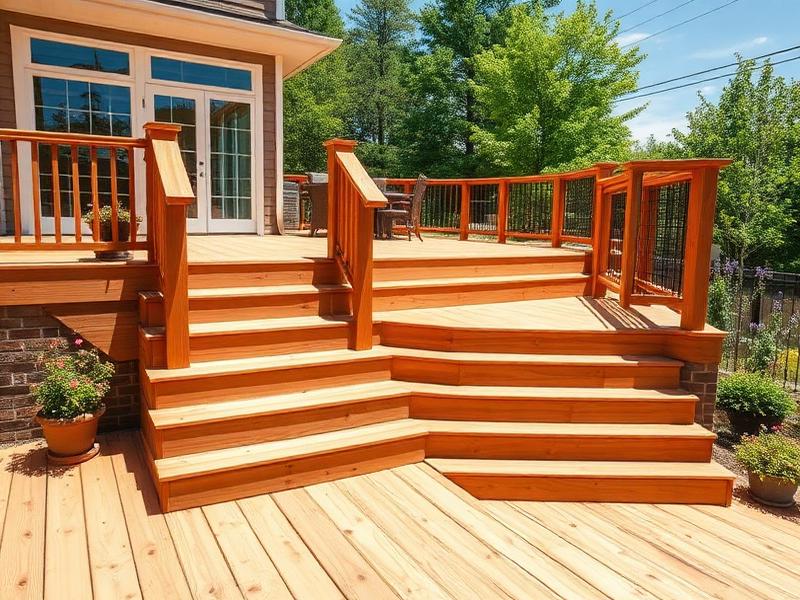
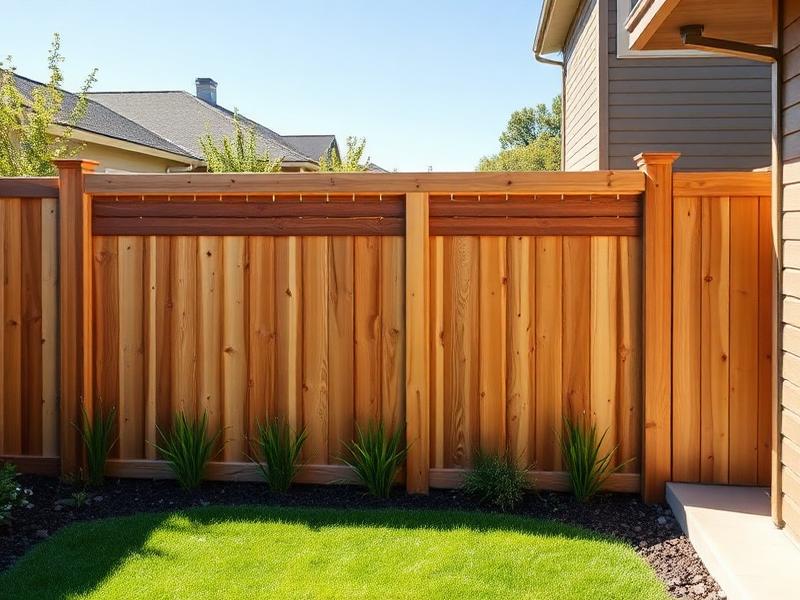
Cedar is a naturally rot-resistant softwood that looks great fresh off the truck, but our humidity and long, wet stretches during hurricane season put real stress on it. Left unsealed, cedar will gray, cup, and eventually check within a couple of seasons in this climate. Sealed and stained on a regular schedule, it can look good for many years, but that upkeep is non-negotiable here.
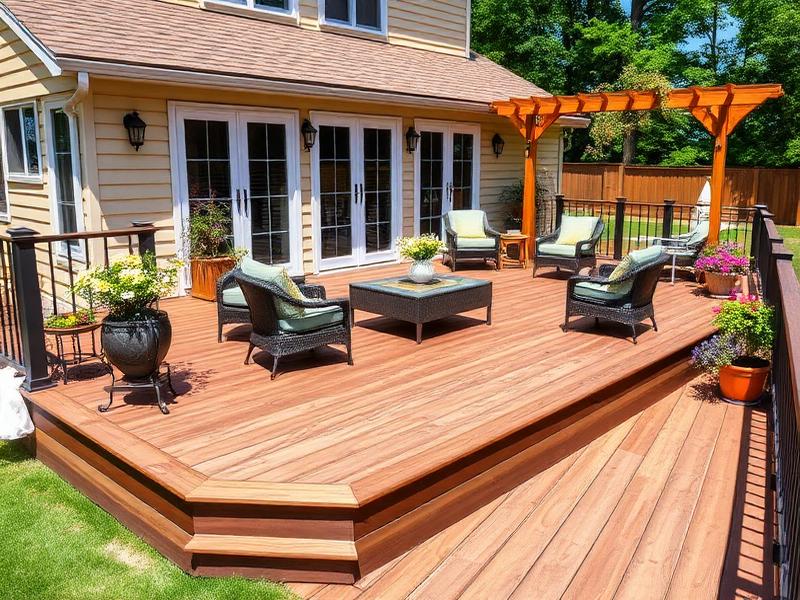
Composite decking is engineered from wood fibers and plastic, so it doesn't absorb moisture the way solid wood does. That matters a lot when you're dealing with the kind of humidity swings and sudden downpours we get from May through October. Composite won't rot, splinter, or need staining, though darker composite boards can get hot underfoot on a bare-sun deck in July and August.
Upfront Cost vs. Long-Term Cost
Cedar decking generally costs less per square foot to install than composite, which is why it's still popular for homeowners working with a tighter budget. As a rough estimate, cedar decking material tends to run less than composite up front, though your total project cost depends heavily on size, framing, and railing choices.
The math changes once you factor in maintenance. Cedar needs to be cleaned, sanded in spots, and resealed or restained on a recurring basis to hold up against our sun and rain. Composite costs more initially but has essentially no recurring finishing cost, so over a 10-15 year window the total cost of ownership often narrows or even flips in composite's favor.
Maintenance Realities for Gulf Coast Homeowners
If you go with cedar, plan on an annual inspection at minimum, with cleaning and a fresh coat of sealer every one to two years depending on sun exposure. Boards facing full west or south sun in Pearland or Manvel will fade and dry out faster than shaded areas, so expect uneven wear across the deck.
Composite is largely wash-and-go: a garden hose and mild soap a few times a year handles pollen, mildew spots, and grill splatter. It won't need sealing, staining, or sanding, which is the main reason busy homeowners lean composite even though it costs more at install.
- Cedar: annual cleaning, periodic sealing/staining, occasional board replacement
- Composite: periodic hosing/washing, no staining or sealing ever needed
- Both: keep gutters and drainage clear so water doesn't pool under the deck
Lifespan and Durability in Our Climate
Well-maintained cedar can last 15-20 years, but that lifespan assumes consistent upkeep. Skip a few years of sealing and you'll likely see premature graying, cracking, and soft spots, especially near ground contact or in low, shaded parts of the yard where moisture lingers.
Composite decking is built for a longer, lower-maintenance life, with most manufacturers backing their boards with lengthy warranties. It resists insects entirely, which is worth noting in areas near wooded lots or bayous where termites and carpenter ants are a real concern.
Look, Feel, and Resale Considerations
Cedar has a warmth and natural grain that a lot of homeowners simply prefer, and it can be stained in a range of tones to match a home's exterior. It also ages in a way some people like, developing a silvery patina if left unsealed on purpose.
Composite has come a long way in mimicking wood grain and now comes in a wide range of colors, including multi-tone boards that hide dirt and mineral streaking well. From a resale standpoint, both materials are viewed favorably by buyers in this market as long as the deck is well-built and shows no signs of neglect.
Which One Should You Choose?
If you enjoy yard work and want the lowest possible material cost, and you're committed to a maintenance schedule, cedar is a solid, attractive choice. If you'd rather spend your weekends using the deck instead of maintaining it, and you're planning to stay in the home long enough to make the higher upfront cost pay off, composite is usually the better fit for our climate.
We build both, and we'll walk your specific yard, sun exposure, and drainage with you before recommending one over the other. There isn't a universal right answer, just the right answer for your situation.
Common Questions
Decks FAQs
Does composite decking really stay cooler than people say?
Lighter composite colors stay noticeably cooler than dark composite or bare cedar in direct Texas sun. If heat underfoot is a top concern, choose a lighter color and consider some shade coverage like a pergola over part of the deck.
Will cedar rot faster in Houston than in drier climates?
Cedar is naturally more rot-resistant than many softwoods, but our humidity and rainfall mean sealed and stained cedar will hold up far better here than unsealed cedar, which can start showing wear within a season or two.
Can I mix materials, like composite decking with cedar railings?
Yes, this is a common and attractive approach. Just know the wood components will still need their own maintenance schedule even if the deck boards themselves are composite.
How do I get an accurate cost estimate for my yard?
Because size, framing height, stairs, and railing style all affect price, the most reliable way is a walkthrough. Call (713) 575-7395 and we'll give you a real number for your specific project.
Want a real number for your backyard?
We walk the property, measure, and hand you a written proposal with the scope spelled out.
Get a Free Estimate