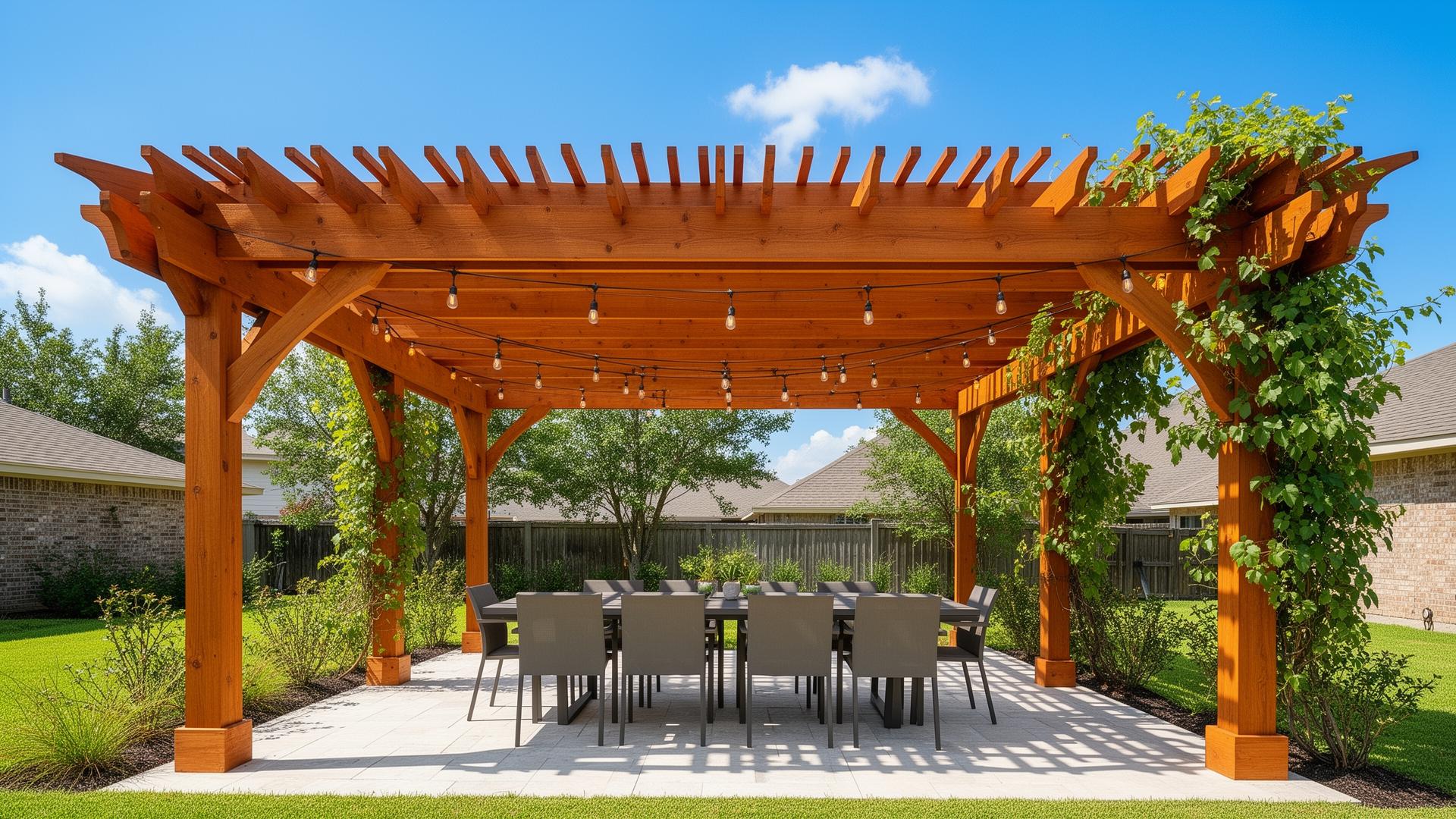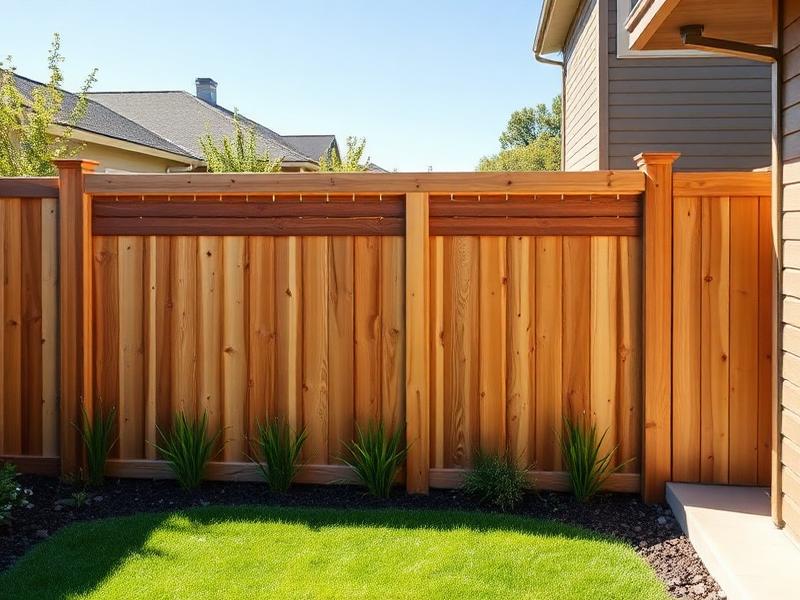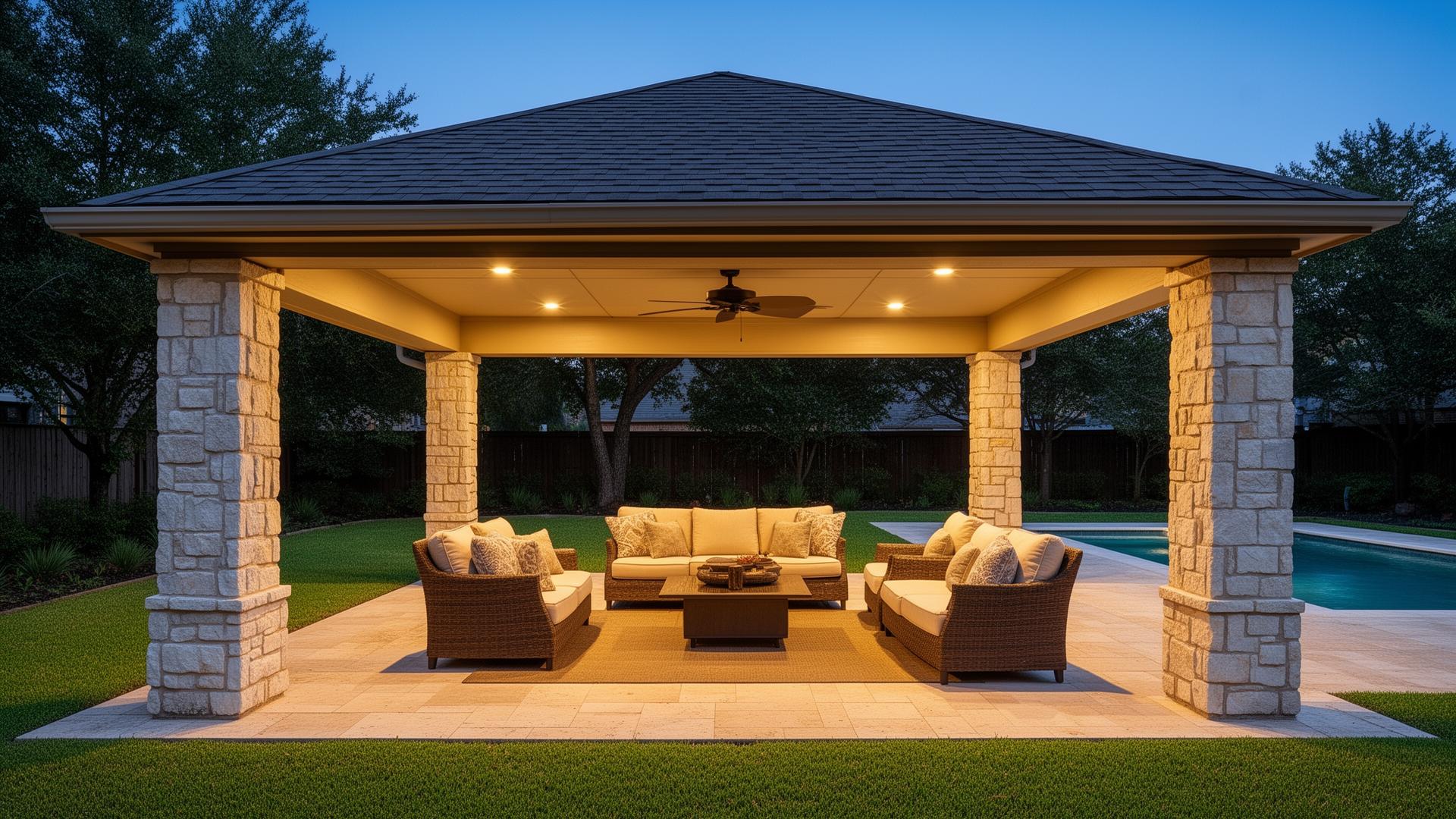
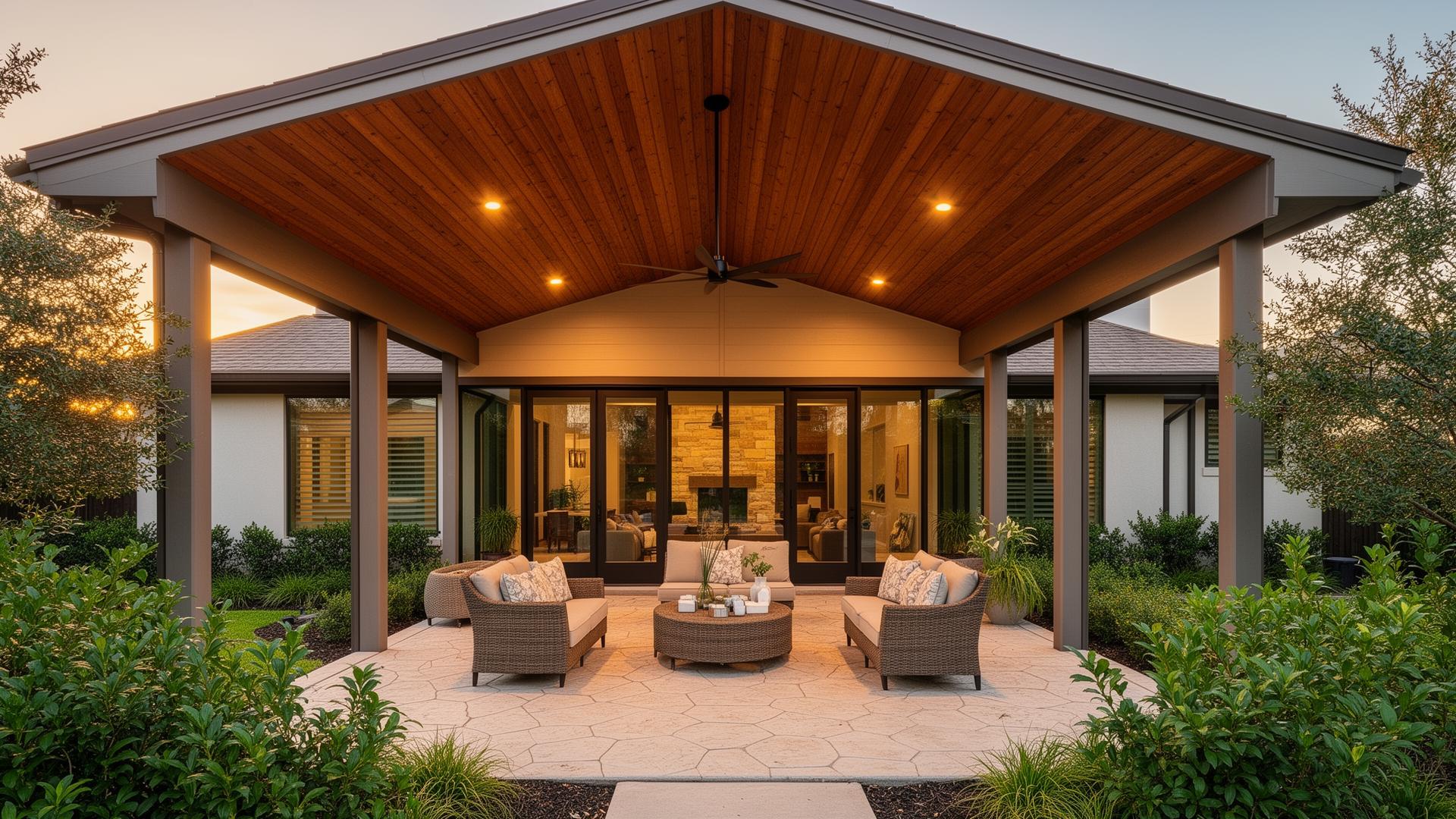
Whether you're adding a covered patio, a pergola, a new deck, or a fence line around your Pearland or Sugar Land property, the projects that go smoothly all share one thing: a realistic plan for both time and money set before the first shovel goes in the ground.
Start With Your Actual Budget, Not a Wish List
It's tempting to start by pinning inspiration photos and building a wish list, but that approach usually leads to sticker shock. Instead, start with a real number: what are you comfortable spending, all-in, including any permits, drainage work, or electrical that might be needed alongside the main structure?
As a rough starting point for the Houston area, simple fence projects tend to run at the lower end of outdoor project costs per linear foot, a basic deck falls into a mid-range per-square-foot cost, and covered patios, pergolas, and pavilions generally cost more per square foot than an open deck because of the roof structure, electrical, and often a poured slab. These are only ballpark estimates meant to help you set a realistic range, not a quote.
Decide What's a Need vs. a Nice-to-Have
Before getting quotes, separate your must-haves from your maybes. A solid roof structure over a patio might be a must-have if you want year-round shade, while a decorative ceiling fan or specific stain color might be a nice-to-have you can add later or skip if the budget gets tight.
This exercise also helps during the quoting process. When you know what you can flex on, a contractor can offer real options, like a smaller footprint now with room to expand later, instead of you feeling boxed into a single all-or-nothing price.
Build a Realistic Timeline
Backyard structure timelines in our area depend heavily on permitting, weather, and material lead times. A fence project can often move fastest since it typically involves less permitting and a simpler build. A deck usually takes a bit longer due to footings and framing. Covered patios, pergolas, and pavilions take the longest of the group because they usually involve a foundation, framing, roofing, and sometimes electrical work.
Add buffer time for weather. Hurricane season, from June through November, brings the risk of rain delays and, in a worse-case scenario, an outright storm pause. Late fall through early spring tends to have more predictable weather for outdoor construction in this region, though good contractors work through most of the year.
- Design and material selection: allow real time here, it's worth it
- Permitting, where required: varies by city, plan for this upfront
- Site prep and foundation work
- Framing and structure
- Finishing details: stain, hardware, lighting, cleanup
Factor in Permits and HOA Review Early
Many cities in our service area, including Pearland, Friendswood, and League City, require permits for decks, covered patios, and pavilions, especially anything with a roof or electrical. Fences sometimes need permits depending on height and location. If you're in a neighborhood with an HOA, add their architectural review timeline on top of city permitting, since those two processes often run separately.
Building permit and HOA review time is one of the most commonly underestimated parts of a project schedule. Starting that paperwork the same week you pick a design, rather than after, can save weeks off your overall timeline.
Where Budgets Usually Go Off Track
The most common budget-buster we see is unexpected site conditions: drainage issues, tree roots, or soil that needs extra prep because of our region's clay-heavy ground. Clay soil expands and contracts significantly with moisture changes, which can affect foundation and footing decisions for patios and pavilions in particular.
The second most common overrun is scope creep during the build, when a homeowner adds a feature mid-project. Locking in your design and material choices before construction starts, and treating add-ons as a separate future project, keeps your budget predictable.
Getting Quotes That Are Easy to Compare
Ask each contractor you talk to for a written scope that spells out materials, dimensions, and what's included versus excluded, like electrical or a permit fee. This makes it far easier to compare two quotes that might look similar on price but very different in what they actually cover.
A contractor who takes time to understand your budget and timeline upfront, rather than just handing you a number, is generally a better sign of how the project itself will go.
Putting a Plan Together
A good backyard project plan has three legs: a realistic budget range, a timeline that accounts for permitting and weather, and a clear list of what's essential versus optional. Get those three things settled and the rest of the process, from design to final walkthrough, goes far more smoothly.
Common Questions
Planning & Cost FAQs
How far in advance should I start planning a backyard project?
For anything involving a roof structure, like a covered patio or pavilion, starting 2-3 months before you want construction to begin gives enough time for design, permitting, and HOA review if applicable.
Does hurricane season really affect construction timelines?
Yes, from June through November there's a higher chance of rain delays and, occasionally, a storm-related pause. It's smart to build some flexibility into your schedule if your project falls in that window.
What's usually the biggest cost surprise on backyard projects?
Site conditions like drainage problems or clay soil that needs extra prep for a foundation are the most common source of unexpected costs. A site walkthrough before finalizing your budget helps catch these early.
Can I get a real budget number before committing to a design?
Yes, we can give you a realistic range based on your goals and property during an initial consultation, before you've locked in every design detail. Call (713) 575-7395 to set that up.
Want a real number for your backyard?
We walk the property, measure, and hand you a written proposal with the scope spelled out.
Get a Free Estimate